BPC-157 (Body Protection Compound-157) is a 15-amino acid peptide with documented stability in gastric conditions and well-replicated effects on GI mucosal protection, tendon healing, and nitric oxide pathway modulation
These formulations push concentration toward practical limits for topical application
Bacteriostatic water (0.9% benzyl alcohol): the standard for most research peptides like BPC-157 and multi-use vials
Cagrilintide: Long-acting amylin analog explained What cagrilintide is: Synthetic analog of human amylin hormone Also called "pramlintide long-acting" (related compound) Developed by Novo Nordisk Currently investigational (Phase 3 trials) Not yet FDA approved (as of 2024) Weekly subcutaneous injection Natural amylin background: Peptide hormone co-secreted with insulin Made by pancreatic beta cells Released after meals in response to nutrients Important satiety signal Regulates postprandial glucose Deficient in diabetes Why synthetic cagrilintide was developed: Natural amylin very short half-life (minutes) Impractical for treatment Cagrilintide engineered for long duration Weekly dosing vs multiple daily injections Better pharmacokinetics Enhanced stability Learn about peptides , how peptides work , and what are peptides used for at SeekPeptides
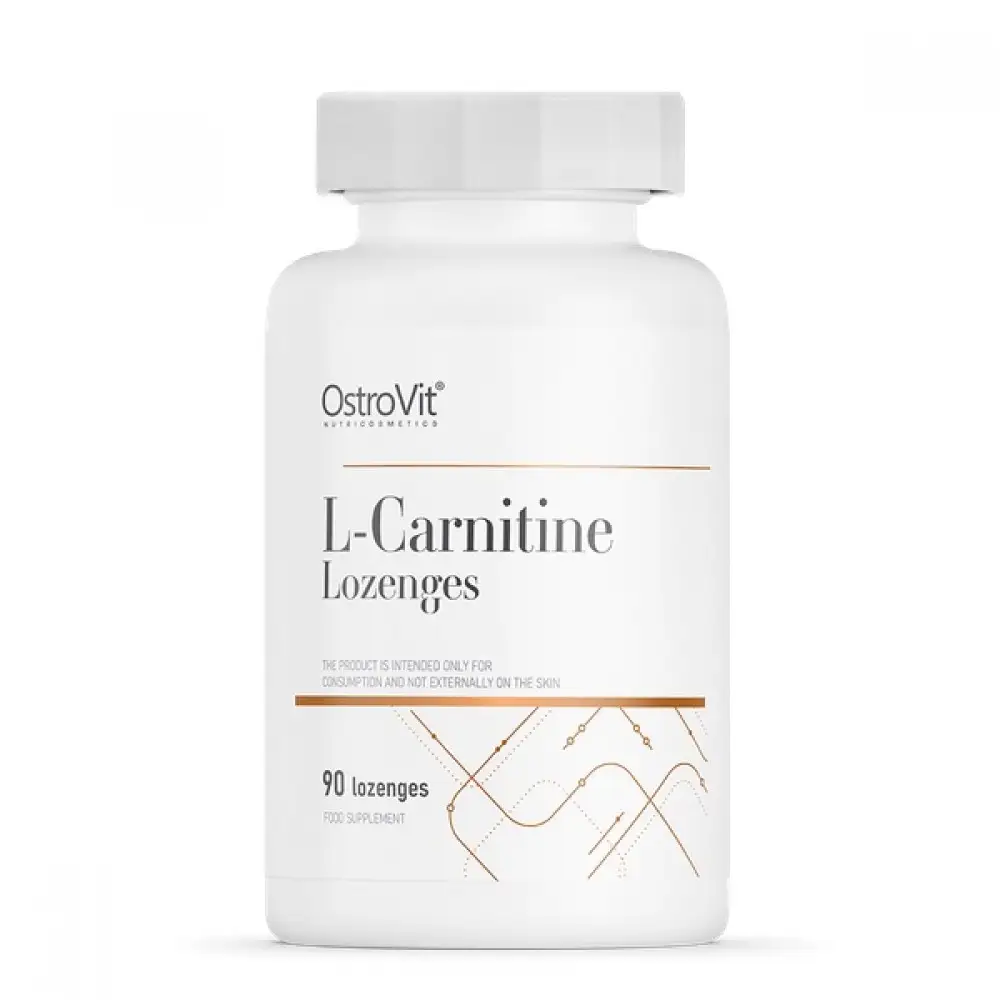
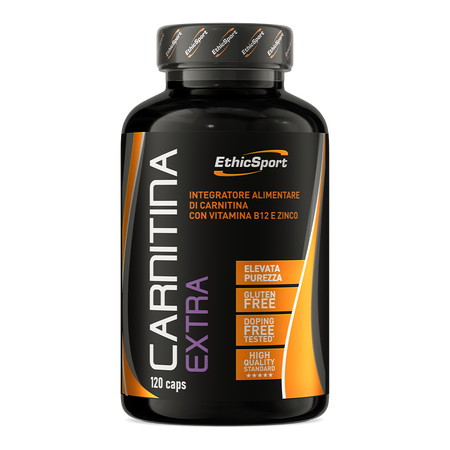
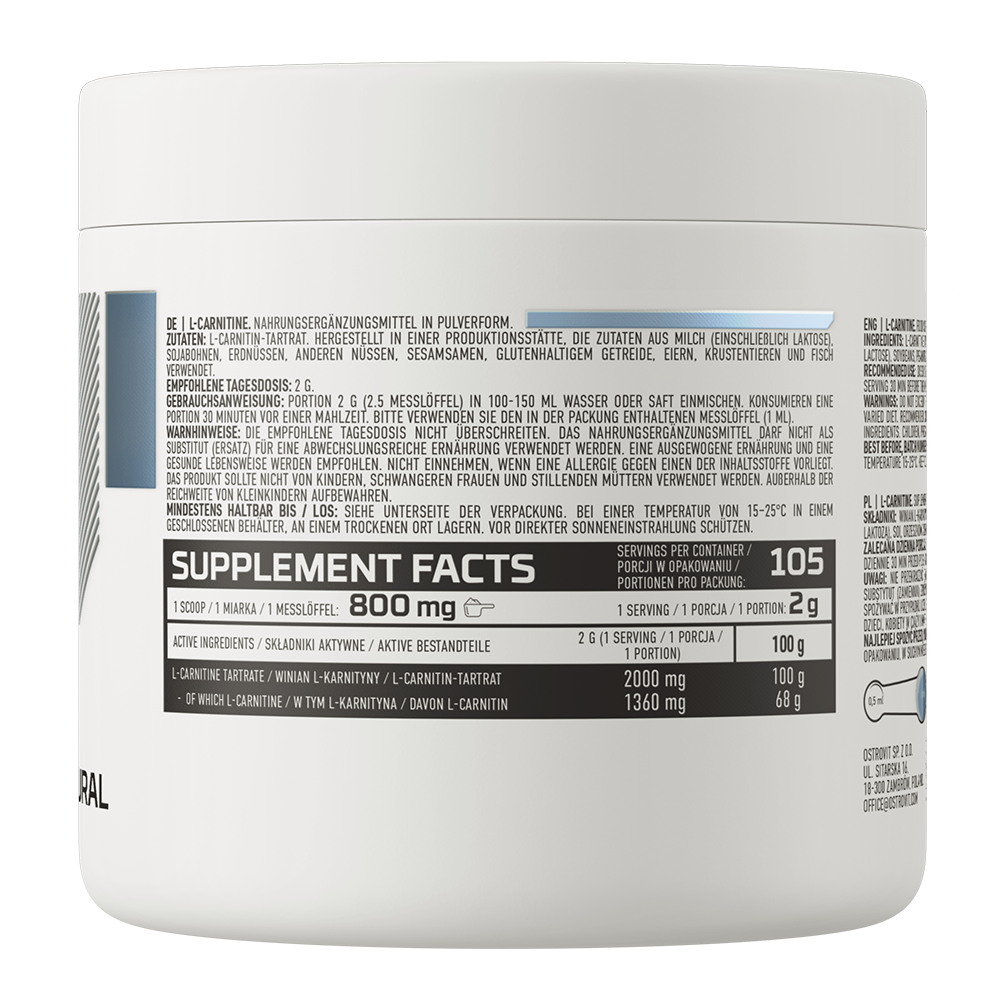
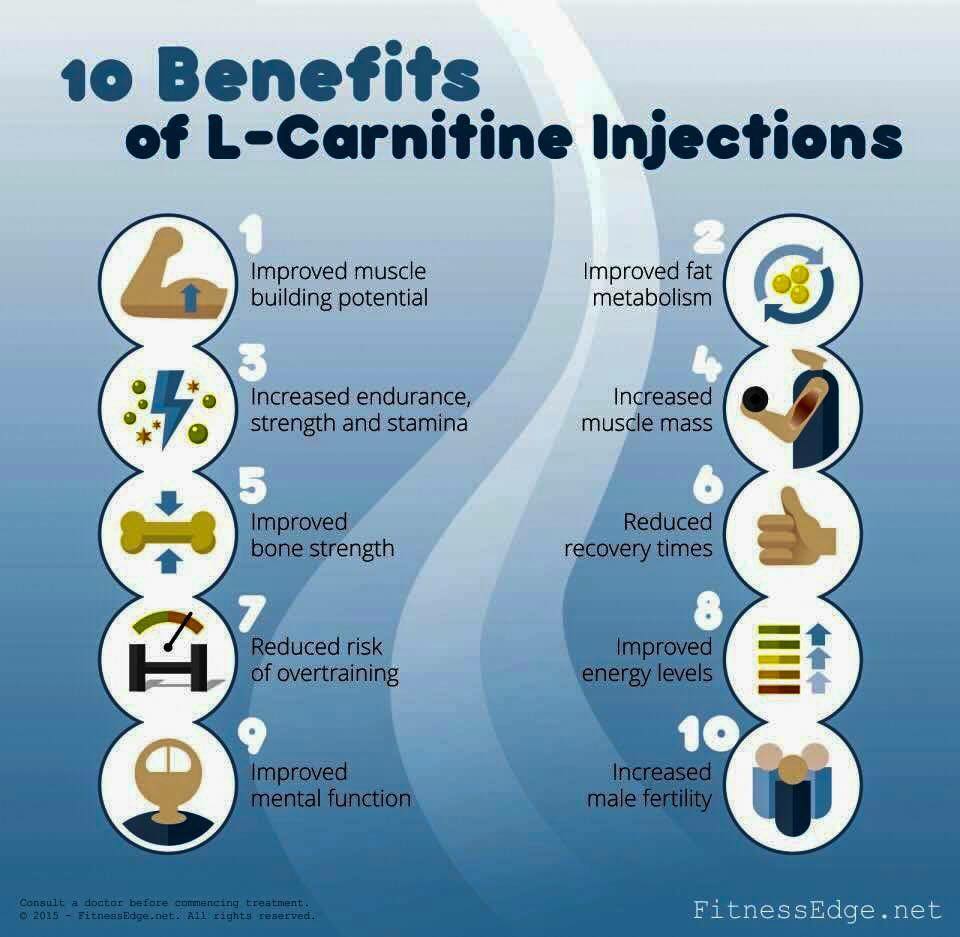
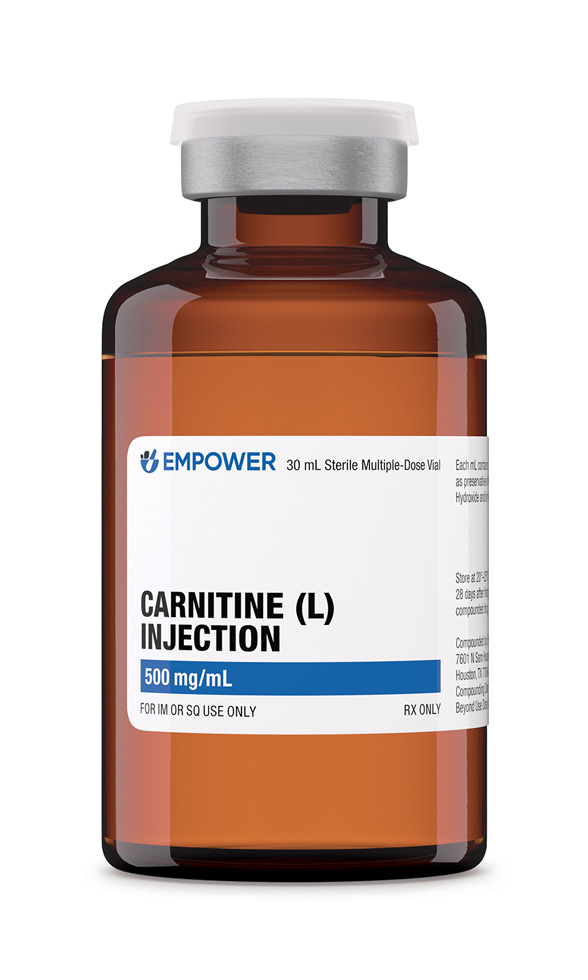
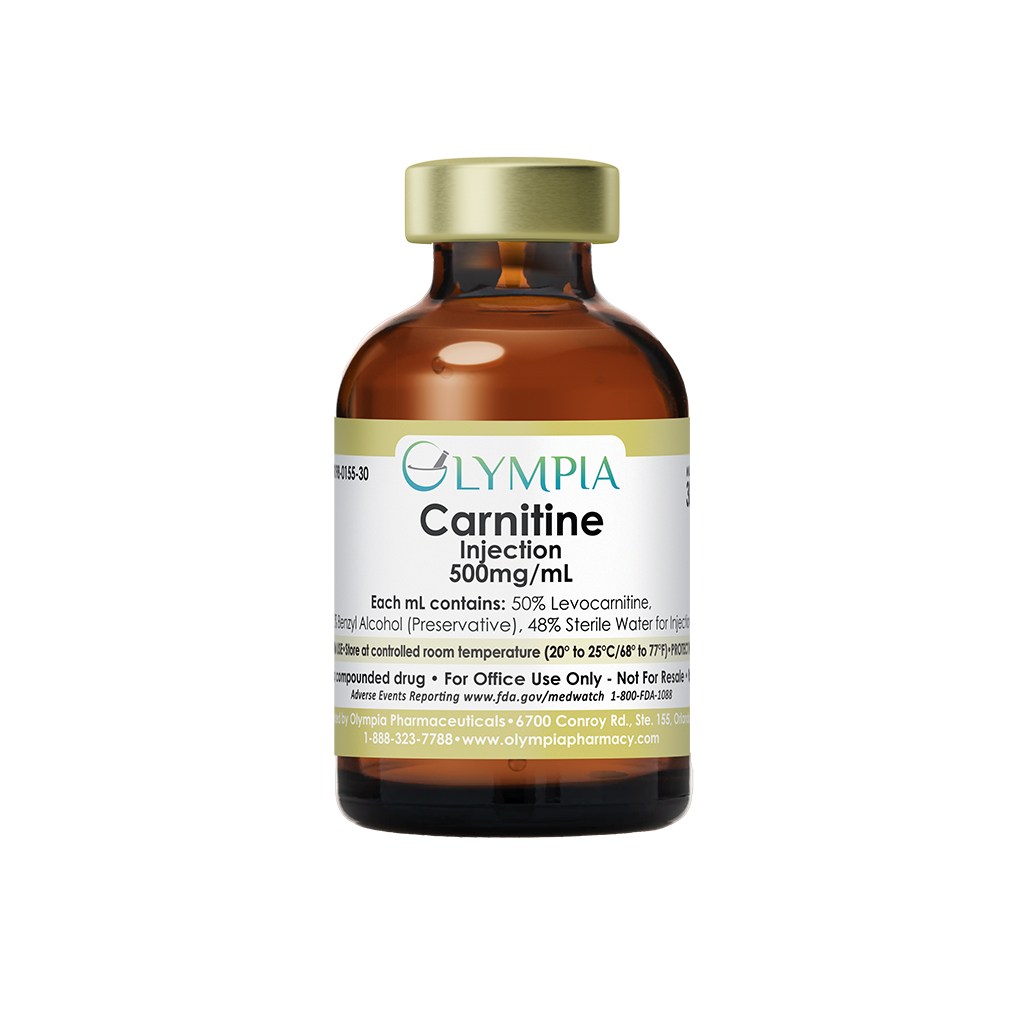
Muscle Recovery: The anti-inflammatory properties of L-Carnitine may aid in reducing muscle damage and soreness after intense training sessions
DrHouses own clinical guidelines pair every GLP-1 plan with a nutritionist referral, a protein target of roughly 25 grams per meal, and at least 150 minutes of moderate exercise per week